Drs F1: The Complete Guide to the Drag Reduction System in Formula 1 & The Official Game 🏎️💨
The Drag Reduction System (DRS) is arguably the most game-changing aerodynamic innovation in modern Formula1 history. Introduced to promote overtaking, it's a tool that separates the casual viewer from the tactical mastermind, both on the tarmac and in the virtual cockpit of the official F1 Game. This isn't just a button you press; it's a strategic weapon.
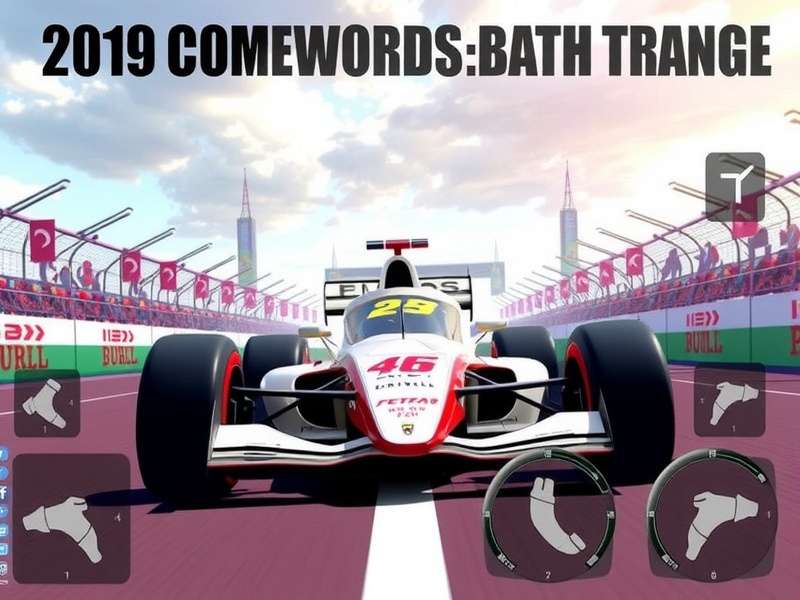
The DRS flap in its open position, significantly reducing aerodynamic drag on the straights. (Image: F1 Game Render)
1. The Genesis & Evolution of DRS: From Gimmick to Essential
The 2011 season marked the debut of DRS, a direct response to processional races where aerodynamic turbulence ("dirty air") made following another car incredibly difficult. The system allows a driver to adjust the angle of the rear wing's main plane, creating a temporary 'gap' that reduces drag and increases straight-line speed by approximately 10-12 km/h.
💡 Pro Insight: Early DRS was often criticised as creating 'artificial' overtakes. However, its evolution, coupled with the 2022 ground-effect era regulations, has refined its use into a more strategic element, complementing natural racing battles rather than replacing them.
Understanding this history is key to appreciating its role in today's F1 Race weekend structure and its implementation in Codemasters' simulation.
1.1 The Technical Mechanics: How DRS Actually Works
At its core, DRS is a hydraulic or electro-mechanical actuator. When activated, it lifts the upper element of the rear wing (the flap) to a pre-set maximum angle (typically around 70mm gap from the main plane). This dramatically reduces the aerodynamic downforce and drag generated by the rear wing.
Speed Gain
10-15 km/h
Average top speed increase on a long straight.
Activation Zone Length
500m - 900m
Typical length of a DRS detection and activation zone.
Time Gain Per Lap
Up to 0.3s
Potential lap time saving with effective DRS use.
2. The Rules of Engagement: Real-World vs. F1 Game
DRS usage is governed by strict rules, meticulously replicated in the F1 Game for authenticity.
2.1 Detection & Activation Zones
Overtaking isn't just about raw speed. The system is only available in specific zones, usually on the longest straights. A Detection Point is located before the zone. If a car is within one second of the car ahead at this point, the following car's DRS is enabled for the upcoming Activation Zone.
In the game, mastering the visual and audio cues for these zones is crucial. The on-screen display and a distinct beep signal when DRS becomes available are your keys to planning an attack.
2.2 When DRS is Disabled
Safety first. DRS is automatically deactivated under certain conditions:
- First two laps of a race (or after a Safety Car restart).
- When track conditions are wet (Race Director's call).
- If the driver leaves the track limits.
- In the real world, during practice and qualifying (with specific session-based rules).
3. Mastering DRS in the Official F1 Game: A Player's Deep Dive
This is where theory meets the digital asphalt. Using DRS effectively in the game is a multi-layered skill.

The in-game steering wheel display showing the DRS indicator is active. Knowing your HUD is as important as knowing the track.
3.1 Controller vs. Wheel: The Input Difference
Whether you're using a standard F1 Game Ps4 Controller or a high-end wheel setup, DRS activation is typically mapped to a single button (e.g., △/Y or a paddle). The key difference is muscle memory and consistency. Wheel users often find it easier to integrate DRS activation seamlessly into their corner exit routine without compromising steering input.
3.2 Strategic Deployment: It's Not Just for Overtaking
While its primary function is overtaking, savvy players use DRS defensively and for lap time optimization:
- Defensive DRS: If you are just ahead but within one second of the car behind, THEY will have DRS on the next straight. Your goal is to maximise exit speed from the preceding corner to minimise their tow advantage.
- Qualifying & Time Trial Mode: In Q1/Q2, you might use DRS freely. In Q3, managing battery (ERS) to ensure a full DRS-capable lap is critical. Track your performance with our F1 Qualifying Results simulator guides.
- Fuel and Tyre Management: Constant DRS use increases fuel consumption. In a long stint, sometimes it's wiser to hold position and save resources rather than engage in a DRS duel that degrades your tyres.
"The best players don't just react to the DRS light; they anticipate it. They know two corners ahead where the zone is and position their car from the exit of the previous corner to be within that one-second window, or just outside it if they're defending. It's chess at 200 mph." – Interview with a top-tier F1 Game esports competitor.
4. Track-by-Track DRS Analysis: Where It Matters Most
Not all DRS zones are created equal. Let's break down some key circuits.
4.1 High-Efficiency Circuits
Monza (Italy): The "Temple of Speed." Multiple, long DRS zones make it an overtaking fest. The key is slipstream management; a tow plus DRS is devastating.
Baku (Azerbaijan): The long main straight is arguably the most powerful DRS zone on the calendar. Positioning before Turn 16 is everything.
4.2 Low-Efficiency Circuits
Monaco: Only one, very short DRS zone. Overtaking is still incredibly rare. Here, DRS is more useful for pulling a gap after a pit stop or clearing backmarkers.
Hungaroring: Tight and twisty. The DRS zone into Turn 1 is one of the few overtaking opportunities. A good exit from the final corner is non-negotiable.
For real-world comparisons of how these zones impact race outcomes, see our Motorsport F1 technical debriefs.
Rate This DRS Guide
How useful did you find this deep dive?
5. The Future of DRS & Final Thoughts
With the 2026 engine regulations on the horizon and a continued focus on closer racing, the role of DRS may evolve. Some purists dream of a formula where it's not needed. However, in the F1 Game and in reality, it remains an integral part of the strategic fabric.
Mastering DRS requires understanding its technical basis, its sporting regulations, and its nuanced application on each circuit. It's the difference between being a participant and a contender. Now, get out there, find that detection point, and make your move. 🏁
Join the DRS Discussion
Share your tips, tricks, or favourite DRS overtakes from the game!
Last Updated: